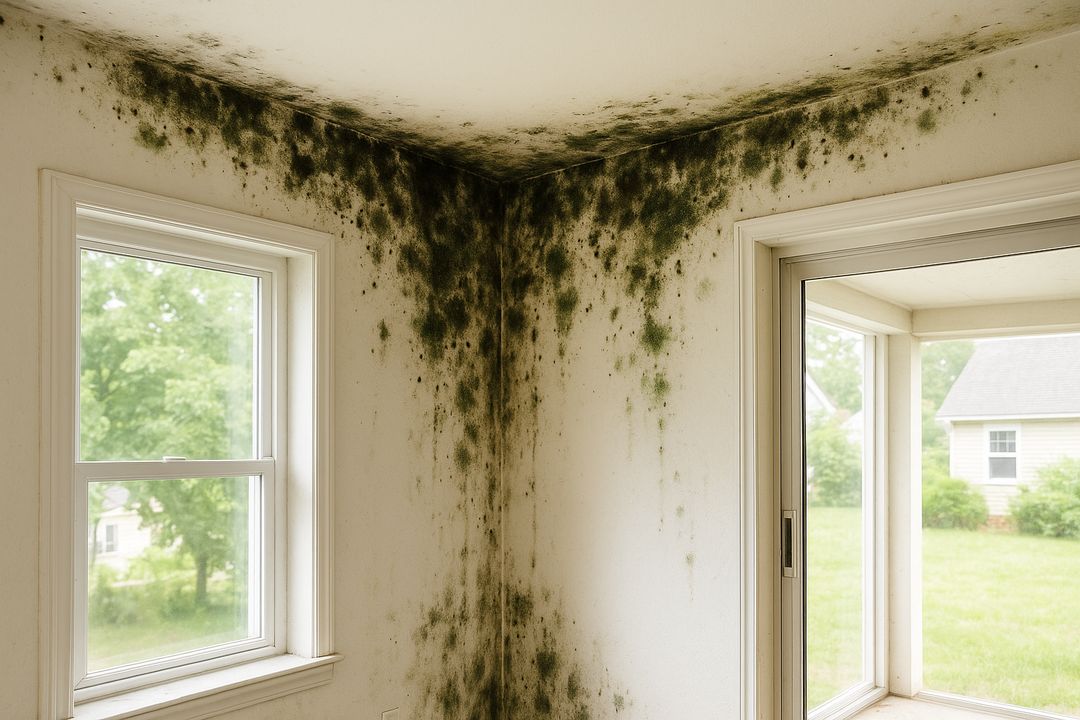
Living in Western Washington means living with moisture. Our region receives an average of 37-60 inches of rain per year, and relative humidity regularly sits above 70%. These conditions make Pacific Northwest homes particularly vulnerable to mold — a problem that can damage your property, reduce your home's value, and pose serious health risks to your family.
The good news is that mold is largely preventable. Here's everything you need to know to keep your home mold-free.
Understanding Mold in the Pacific Northwest
Why Our Region Is High-Risk
Mold needs three things to grow: moisture, organic material (wood, drywall, carpet), and time. Western Washington provides the first ingredient in abundance. Our long, wet winters — combined with homes that are sealed tight for energy efficiency — create the perfect storm for mold growth.
Common high-risk areas in PNW homes include:
- Crawlspaces — often poorly ventilated with direct ground moisture
- Bathrooms — steam and condensation without adequate ventilation
- Attics — warm moist air rising from living spaces meets cold roof surfaces
- Basements — below-grade moisture intrusion through foundation walls
- Window frames — condensation collects on cold glass and drips into framing
- Behind kitchen appliances — dishwashers and refrigerators with ice makers can develop slow leaks
Health Risks of Mold Exposure
Mold isn't just an aesthetic problem — it's a health hazard. Exposure to mold spores can cause:
- Respiratory problems — coughing, wheezing, difficulty breathing
- Allergic reactions — sneezing, runny nose, itchy eyes, skin rashes
- Asthma triggers — mold is one of the most common asthma triggers in children
- Chronic sinus infections
- Headaches and fatigue
Some types of mold, including Stachybotrys ("black mold"), produce mycotoxins that can cause more severe health effects with prolonged exposure. If anyone in your household has respiratory conditions, mold prevention should be a top priority.
Prevention: Controlling Moisture
Ventilation Is Everything
The single most important mold prevention strategy is controlling indoor humidity. Target a relative humidity of 30-50%:
- Run bathroom exhaust fans during and for 30 minutes after every shower
- Use your kitchen range hood when cooking — steam from boiling water adds significant moisture
- Install a whole-house ventilation system or use a dehumidifier in damp areas
- Open windows periodically on dry days to exchange air
- Ensure your dryer vents to the outside — never into the attic, garage, or crawlspace
Crawlspace Management
Crawlspaces are the number one mold hotspot in Western Washington homes:
- Install a vapor barrier — a 6-mil polyethylene sheet over exposed soil prevents ground moisture from entering
- Ensure adequate ventilation — the building code requires 1 square foot of ventilation per 150 square feet of crawlspace
- Consider encapsulation — a sealed, conditioned crawlspace is the gold standard for mold prevention
- Check for standing water after heavy rain — drainage issues need to be addressed
- Inspect regularly — most homeowners never look at their crawlspace, which is where mold often starts
Bathroom Best Practices
- Use an exhaust fan rated for your bathroom size (minimum 50 CFM for a standard bathroom)
- Squeegee shower walls after each use to remove excess water
- Fix any leaking faucets, showerheads, or toilet seals immediately
- Re-caulk tub and shower surrounds when caulk begins to crack or pull away
- Wash bath mats, shower curtains, and towels regularly
Detection: Catching Mold Early
Signs of Hidden Mold
Not all mold is visible. Watch for these indicators:
- Musty or earthy smell — the most reliable early warning sign
- Allergy symptoms that worsen indoors — if you feel better outside, mold may be the cause
- Condensation on windows — persistent condensation means humidity is too high
- Discoloration on walls or ceilings — water stains often mean mold is growing behind the surface
- Peeling wallpaper or paint — moisture behind surfaces pushes coverings away
Professional Mold Testing
If you suspect mold but can't see it, professional testing can confirm or rule out the problem. A certified mold inspector will:
- Take air quality samples from multiple rooms
- Use moisture meters to identify hidden water sources
- Inspect high-risk areas including behind walls, under flooring, and in HVAC systems
- Provide a detailed report with mold species identification and recommended actions
Remediation: When Prevention Isn't Enough
DIY vs. Professional Remediation
The EPA recommends professional remediation for mold areas larger than 10 square feet (roughly a 3x3 foot patch). For smaller areas on non-porous surfaces, you may be able to clean it yourself with a mold-specific cleaner. However, never attempt to remediate mold behind walls, in HVAC systems, or in crawlspaces yourself. Disturbing large mold colonies without proper containment can spread spores throughout your home.
What Professional Remediation Involves
- Containment — sealing the affected area with plastic sheeting and negative air pressure to prevent cross-contamination
- Air filtration — HEPA air scrubbers capture airborne spores during the remediation process
- Removal — contaminated materials (drywall, insulation, carpet) are safely removed and disposed of
- Treatment — remaining surfaces are treated with antimicrobial solutions
- Source elimination — the underlying moisture problem is identified and fixed
- Verification — post-remediation air testing confirms spore levels are back to normal
Skoolie Restoration's IICRC-certified mold specialists handle the entire process — from testing through remediation to source repair. We serve homeowners across Western Washington with fast, thorough mold solutions that address the root cause, not just the symptoms.
Need Emergency Restoration?
Skoolie Restoration is available 24/7 for emergency water, fire, and mold damage across Western Washington.